Bohag Bihu 2026: Date, Significance, History, Celebration & Traditions of Assam’s New Year
Bohag Bihu 2026, also known as Rongali Bihu, is one of the most vibrant and culturally rich festivals of India, celebrated with immense joy in Assam. This festival marks the Assamese New Year and the beginning of the spring harvest season, symbolizing renewal, prosperity, and happiness.
In 2026, Bohag Bihu will begin on April 14 and continue for seven days, bringing communities together through music, dance, rituals, and feasting.
Bohag Bihu 2026 Date & Key Details
- Festival Name: Bohag Bihu / Rongali Bihu
- Bohag Bihu 2026 Date: 14 April 2026
- Duration: 14 April – 20 April 2026
- Celebrated In: Assam, India
- Significance: Assamese New Year & harvest festival
👉 Many users search: “Which Bihu is on 14 April?”
✔ Answer: Rongali Bihu (Bohag Bihu) is celebrated on 14 April.
What is Bohag Bihu & Why is it Celebrated?
- Beginning of the Assamese New Year
- Arrival of spring season
- Start of agricultural cycle
- Celebration of new life and prosperity
Why is Bohag Bihu celebrated? Bohag Bihu is celebrated to welcome the harvest season, express gratitude to nature, and pray for prosperity and good crops. It is not just a festival but a cultural identity of Assam, deeply rooted in agriculture and community bonding.
History of Bohag Bihu
- Initially a harvest-based ritual
- Later enriched with music, dance, and cultural practices
- Symbolizes connection between humans and nature
The origins of Bohag Bihu date back to the ancient agricultural traditions of Assam. It is believed to have evolved during the Ahom dynasty in the 13th century, when farming communities celebrated seasonal changes with rituals and festivities. Over time, Bohag Bihu transformed into a grand cultural festival, representing Assamese heritage and gaining recognition across the world.
How is Bohag Bihu Celebrated?
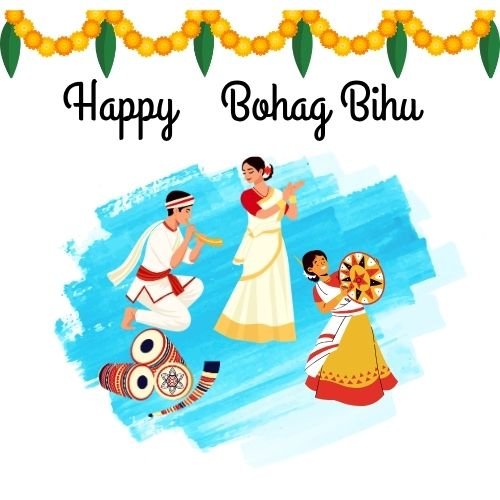
- Bihu Dance & Music: Performed with traditional instruments like Dhol, Pepa, and Gogona
- Traditional Attire: Women wear Mekhela Chador, while men wear Dhoti and Gamosa
- Feasts: Special Assamese foods such as Pitha, Laru, and Jolpan are prepared
- Fairs (Mela): Cultural programs, games, and community gatherings are organized
Bohag Bihu celebrations are full of energy, color, and rich traditions. People dress in vibrant clothes, perform folk dances, sing traditional songs, and actively participate in fairs and festive activities, making it one of the most joyful festivals in Assam.
7 Days of Bohag Bihu (Complete Rituals)
- Goru Bihu (Day 1) – Dedicated to cattle; animals are washed and worshipped.
- Manuh Bihu (Day 2) – People wear new clothes and seek blessings from elders.
- Gosai Bihu (Day 3) – Worship of household deities.
- Kutum Bihu – Visiting relatives and strengthening family bonds.
- Tator/Nangolor Bihu – Preparations and farming-related rituals.
- Jiyori (Senehi) Bihu – Celebration of youth, love, and relationships.
- Mela/Chera Bihu (Final Day) – Cultural events and prayers for prosperity.
Bohag Bihu is celebrated over seven culturally significant days, each reflecting different aspects of Assamese life.
From agriculture and livestock care to relationships and spirituality, this structured celebration highlights the
harmony between nature, community, and tradition.
Cultural Significance of Bohag Bihu
- Marks new beginnings
- Strengthens family and community bonds
- Preserves traditional Assamese culture
- Celebrates nature and agriculture
Bohag Bihu holds deep cultural and emotional value and is often referred to as the “Spring Festival of Assam”. It symbolizes hope, joy, and renewal, bringing people together to celebrate life, tradition, and the beauty of nature.
Traditional Food of Bohag Bihu
- Jolpan: A traditional breakfast made with rice, curd, and jaggery
- Pitha: Delicious rice cakes prepared in different varieties
- Laru: Sweet balls made from coconut or sesame seeds
- Traditional Meals: A variety of homemade festive dishes enjoyed with family
Bohag Bihu celebrations in Assam are incomplete without these traditional foods, as they reflect the rich culture, community bonding, and festive spirit of the region.
Bihu Dance and Music
- Energetic movements symbolizing joy
- Performed by both men and women
- Accompanied by traditional instruments
Bihu dance is the heart of the festival and represents youth, love, and happiness.
With its lively rhythms and vibrant expressions, it stands as one of India’s most
iconic folk dances, reflecting the cultural spirit of Assam.
Bohag Bihu Holiday & Importance in 2026
- Bohag Bihu holiday 2026: Bohag Bihu is observed as a public holiday in Assam.
- Bohag Bihu government holiday: Schools, colleges, and government as well as private offices remain closed.
- It is celebrated widely across both rural and urban regions with great enthusiasm.
Though Bohag Bihu is not a national holiday in India, its cultural and social importance in Assam is equivalent to a major regional festival. It marks the Assamese New Year and the beginning of the harvest season, making it one of the most significant and widely celebrated festivals in the state.
Bohag Bihu Wishes
- Happy Bohag Bihu! May your life be filled with joy and prosperity.
- Wishing you a year full of success and happiness.
- May this Rongali Bihu bring new hope and positivity.
- Celebrate this festival with love, peace, and happiness.
Bohag Bihu wishes in English: Share these heartfelt Rongali Bihu wishes with your loved ones to spread joy, positivity, and festive happiness. Celebrate the Assamese New Year with meaningful messages and शुभकामनाएं.