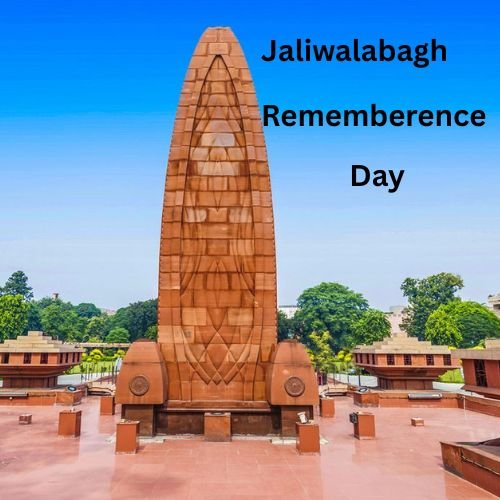
Jallianwala Bagh Massacre Remembrance Day 2026
Jallianwala Bagh Massacre Remembrance Day is observed every year on 13 April to honor the innocent lives lost in one of the darkest chapters of Indian history. The tragedy, which occurred in 1919 on the festival of Baisakhi, continues to symbolize the brutal reality of colonial oppression and the resilience of India’s freedom movement. In 2026, the nation marks 107 years since this heartbreaking event, remembering the sacrifices that paved the way for independence.
What Happened in Jallianwala Bagh on 13 April 1919?
On 13 April 1919, thousands of unarmed men, women, and children gathered at Jallianwala Bagh in Amritsar. Many had assembled for the festive occasion of Baisakhi, while others were participating in a peaceful protest against the oppressive Rowlatt Act.
Without any warning, British officer Reginald Dyer entered the enclosed ground with armed troops. The only narrow exit was blocked, trapping the crowd inside. Dyer then ordered his soldiers to open fire directly at civilians.
• Around 1,650 rounds were fired
• Shooting continued until ammunition was nearly exhausted
• Hundreds were killed instantly, while many jumped into the Martyrs’ Well to escape bullets
The massacre left a deep scar on the nation’s conscience and shocked the world.
Background: Why Did the Massacre Happen?
The roots of the tragedy lie in the Rowlatt Act of 1919, which allowed the British government to arrest individuals without trial. This led to widespread protests across India. Mahatma Gandhi launched the Satyagraha movement, encouraging peaceful resistance. Punjab became a center of unrest, and British authorities responded with extreme repression. The gathering at Jallianwala Bagh was part of this growing dissent.
Importance of the :contentReference[oaicite:0]{index=0}
The importance of the Jallianwala Bagh Massacre lies in its profound impact on India’s freedom struggle. It exposed the true nature of British colonial rule and united Indians across regions and communities. The incident transformed the independence movement into a mass uprising and ended the faith of many Indians in British justice. This tragic event became a major turning point, shifting the struggle from moderate reforms to the demand for complete independence.
Importance of Jallianwala Bagh Massacre
- It exposed the true nature of British colonial rule
- It united Indians across regions and communities
- It transformed the independence movement into a mass uprising
- It ended faith in British justice among Indians
This event became a turning point, shifting the struggle from moderate reforms to complete independence.
Who Took Revenge for Jallianwala Bagh?
More than two decades after the Jallianwala Bagh Massacre, revolutionary Udham Singh carried out an act of revenge. In 1940, he assassinated Michael O’Dwyer in London. O’Dwyer was the Lieutenant Governor of Punjab during the massacre and had supported General Dyer’s actions. Udham Singh’s act became a powerful symbol of resistance and justice in India’s freedom struggle.
Did the Queen Apologize for Jallianwala Bagh?
- The British monarchy has never issued a formal apology for the Jallianwala Bagh massacre.
- In 1997, Queen Elizabeth II visited the memorial and expressed regret.
- In 2019, British leaders acknowledged the tragedy as “deeply shameful”.
However, India continues to debate whether a full official apology should be made.
Immediate Aftermath of the Massacre
- Martial law was imposed across Punjab
- Civil liberties were suspended
- Public humiliation and punishments were enforced
The consequences of the massacre were severe and far-reaching. The British government established the Hunter Commission to investigate the incident. Although it criticized General Dyer’s actions, it failed to deliver meaningful justice, which further intensified anger and resentment among Indians.
Impact of Jallianwala Bagh on India’s Freedom Movement
- Rise of Nationalism: Indians united against British rule like never before.
- Shift in Leadership Strategy: Leaders like Mahatma Gandhi intensified non-cooperation movements.
- Global Attention: The massacre drew international criticism of British policies.
- Inspiration for Revolutionaries: Figures like Udham Singh were motivated to fight back.
Jallianwala Bagh Memorial Today: Today, the Jallianwala Bagh National Memorial in Amritsar stands as a tribute to the victims. Key features include preserved bullet-marked walls, the historic Martyrs’ Well, memorial galleries showcasing the history, and an eternal flame honoring the martyrs. Located near the Golden Temple, it attracts visitors from across the world who come to pay their respects.
Why is Jallianwala Bagh Massacre Remembrance Day Observed?
Jallianwala Bagh Massacre Remembrance Day is observed to honor the martyrs who lost their lives, educate future generations about colonial history, promote the values of freedom, justice, and human rights, and remember the true cost of India’s independence. The day serves as a powerful reminder that freedom was achieved through immense sacrifice.
Conclusion
The Jallianwala Bagh Massacre Remembrance Day is not just about recalling a tragic event—it is about understanding its lasting impact on India’s journey to independence. The events of 13 April 1919 exposed the harsh realities of colonial rule and united the nation in its fight for freedom.
From the courage of innocent civilians to the resistance led by leaders like Mahatma Gandhi and Udham Singh, the legacy of Jallianwala Bagh continues to inspire generations. It reminds us that the price of freedom is high, and its value must always be protected.