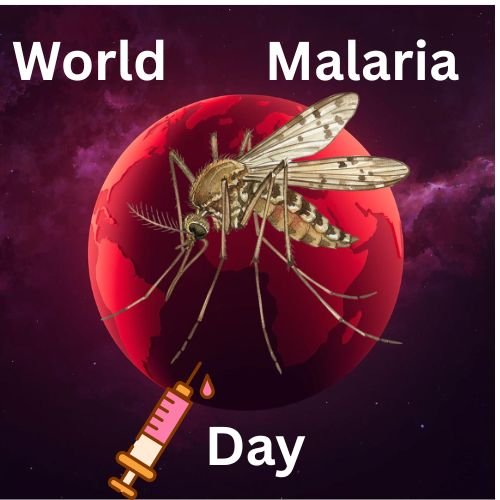
World Malaria Day 2026: Date, Theme, History, Significance & Prevention Guide
World Malaria Day 2026 is observed globally on April 25 to raise awareness about one of the world’s most serious mosquito-borne diseases. Initiated by the World Health Organization, this day highlights the urgent need for prevention, treatment, and global collaboration to eliminate malaria.
Despite being preventable and treatable, malaria continues to affect millions of people every year, especially in tropical and subtropical regions. World Malaria Day serves as a reminder that collective action, awareness, and investment are essential to end this life-threatening disease.
What is World Malaria Day?
- Increasing awareness about malaria prevention
- Encouraging early diagnosis and treatment
- Supporting global initiatives to eradicate malaria
World Malaria Day is a global health awareness day observed annually on April 25. It was established in 2007 by the World Health Organization (WHO) to promote efforts to control and eliminate malaria worldwide.
World Malaria Day 2026 Date
- Date: April 25, 2026
- Day: Saturday
This annual observance provides an opportunity for governments, organizations, and individuals to unite against malaria and strengthen global health efforts.
History of World Malaria Day
- Highlight malaria as a global issue
- Strengthen international partnerships
- Accelerate efforts toward malaria elimination
World Malaria Day was first celebrated in 2008, evolving from Africa Malaria Day (observed since 2001). The transition took place during the 60th World Health Assembly organized by WHO to expand awareness globally.
What is Malaria?
Key Facts and Symptoms
- Not contagious like the flu
- Symptoms appear within 10–15 days
- Major risk for children under 5
- High fever, chills, headache, and fatigue are common symptoms
Malaria is a life-threatening disease caused by Plasmodium parasites and transmitted through the bite of infected female Anopheles mosquitoes. If untreated, malaria can become severe and even fatal.
Causes and Transmission
How Malaria Spreads
Malaria spreads when an infected mosquito bites a human, allowing parasites to enter the bloodstream and infect the liver and red blood cells. The main cause is the parasite Plasmodium falciparum, which is the most dangerous form. The transmission cycle includes mosquito-to-human infection and further spread through repeated bites.
World Malaria Day 2026 Theme
- Innovation in malaria control
- Investment in healthcare systems
- Community awareness and participation
While the official theme may vary each year, recent themes focus on strengthening global efforts and achieving the long-term goal of malaria eradication by 2050.
Significance of World Malaria Day
Why This Day Matters
World Malaria Day plays a crucial role in raising awareness, encouraging preventive actions, strengthening healthcare systems, and saving lives. It promotes the use of mosquito nets, early diagnosis, and treatment. Malaria still affects over 290 million people globally, making awareness and action extremely important.
ABCD of Malaria Prevention
WHO recommends the ABCD approach: A – Awareness of symptoms and risks, B – Bite prevention using mosquito nets and repellents, C – Chemoprophylaxis through preventive medication, and D – Diagnosis by seeking immediate medical help.
Prevention of Malaria
Effective Prevention Methods
- Use insecticide-treated bed nets
- Apply mosquito repellents
- Wear full-sleeve clothing
- Avoid stagnant water
- Indoor insecticide spraying
Medical prevention includes antimalarial drugs and vaccination in certain regions, making malaria largely preventable.
Treatment of Malaria
Available Treatments
- Antimalarial medications
- Artemisinin-based combination therapies (ACTs)
Early diagnosis and timely treatment are critical to prevent complications and reduce mortality.
World Malaria Day Awareness Activities
- Awareness campaigns
- Health camps and free check-ups
- School competitions
- Social media campaigns
- Community outreach programs
These activities help spread knowledge and encourage preventive measures worldwide.
World Malaria Day Quotes
- “Defeat malaria today, save lives tomorrow.”
- “End malaria, save lives.”
- “Together we can eliminate malaria.”
These slogans are widely used in awareness campaigns to inspire action.
National Malaria Day in India
In India, National Malaria Day is observed on June 30 to strengthen awareness and prevention efforts. While significant progress has been made, malaria remains a public health concern in certain regions.
National Malaria Day in India
In India,National Malaria Day is observed on June 30 to strengthen awareness and prevention efforts. While significant progress has been made, malaria remains a public health concern in certain regions.
Conclusion
World Malaria Day 2026 is more than just a health observance—it is a global movement to end malaria. With proper awareness, prevention, and treatment, malaria can be eliminated. Governments, healthcare professionals, and individuals must work together to ensure a healthier and malaria-free future.